
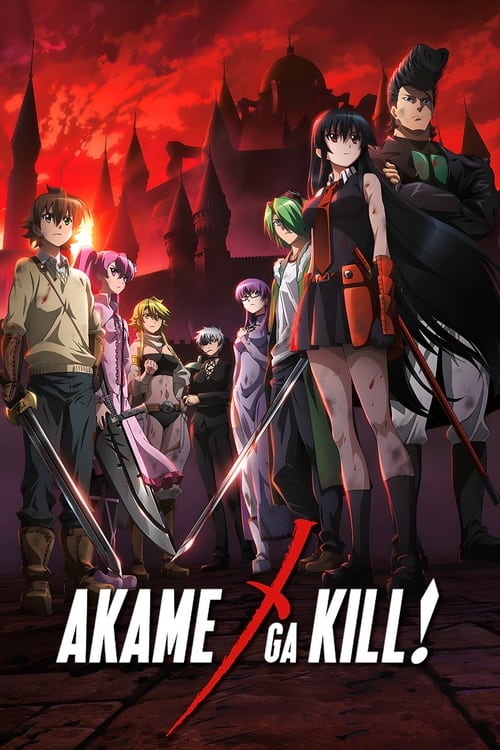
Akame ga Kill!
overview
Young Tatsumi travels to the capital of the Empire in order to earn money for his starving people and encounters a world of unimaginable depravity, dominated by the ruthless Prime Minister who controls the child Emperor. Tatsumi is recruited by Night Raid, a group of assassins dedicated to eliminating corruption by mercilessly killing officials and privileged nobles.reviews

really cool concept of humanizing both sides and showing both perspectives, just super unfortunate how black and white the "good" vs "evil" is. like it would be interesting if there were more ambiguity but its legit just "revolutionary assassins for justice" vs "vulgar social darwinist upholders of rape religion cult expropriation regime". the best they can muster is "i did terrible things in my past but now im quirky" guy. and got hyper-biased towards the end in terms of the quantity and character of time spent in each camp. despite that, still good at committing themselves to independent character motivation - even if the espoused philosophies are thin, it's not just "i'm doing x action because i'm evillll oooooo" (exceptions include the king/princess/whatever). some good moments where this is displayed clearly. also good committing to killing off mcs tho. and the oppossing sides yandere lover is such a great dynamic too, especially when somewhat reasonably justified the way it is here. it's like so close to being really good, so many sparks of embryonic greatness, all the more frustrating it doesn't live up to its potential.
also i think its incredibly ironic (almost too much to be non-intentional?) that the conclusion has akame and esdeath battling, akame having no response to esdeath's airtight refutation of akame's moralism, akame being incapable of responding (and the story not dwelling on the position's incoherence), and then akame besting esdeath and winning the day in classic 'might-makes-right' fashion. arguably you could make some point about esdeath being more correct philosophically, yet nonetheless incomplete; pragmatically to achieve strength it is less beneficial to acknowledge it baldly than to delude oneself with certain ideological constructions, therefore complicating the very idea of 'might' in the exclusively physicalist sense, but at that point i think i'm giving the show farrrr too much credit lol. factors like these make it hard to evaluate the show because that is such a lovely irony i want to rate it highly, but it seems hopelessly clear that moments like these are unintentional and borderline suppressed throughout the show. also the naively utopian "peace" ending is sickening lol. at least akame's route stays open. tl;dr. individual characterization is very strong, unfortunate framing and weak philosophy
also i think its incredibly ironic (almost too much to be non-intentional?) that the conclusion has akame and esdeath battling, akame having no response to esdeath's airtight refutation of akame's moralism, akame being incapable of responding (and the story not dwelling on the position's incoherence), and then akame besting esdeath and winning the day in classic 'might-makes-right' fashion. arguably you could make some point about esdeath being more correct philosophically, yet nonetheless incomplete; pragmatically to achieve strength it is less beneficial to acknowledge it baldly than to delude oneself with certain ideological constructions, therefore complicating the very idea of 'might' in the exclusively physicalist sense, but at that point i think i'm giving the show farrrr too much credit lol. factors like these make it hard to evaluate the show because that is such a lovely irony i want to rate it highly, but it seems hopelessly clear that moments like these are unintentional and borderline suppressed throughout the show. also the naively utopian "peace" ending is sickening lol. at least akame's route stays open. tl;dr. individual characterization is very strong, unfortunate framing and weak philosophy





cast
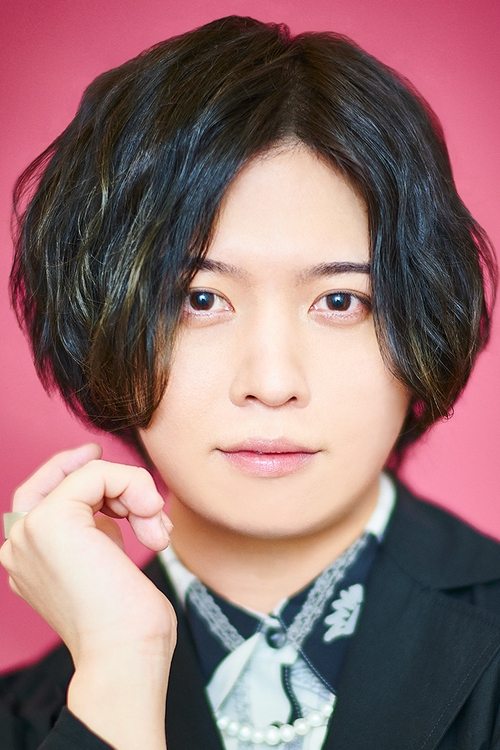
Soma Saito
Tatsumi (voice)

Sora Amamiya
Akame (voice)

Yukari Tamura
Mine (voice)

Yuu Asakawa
Leone (voice)
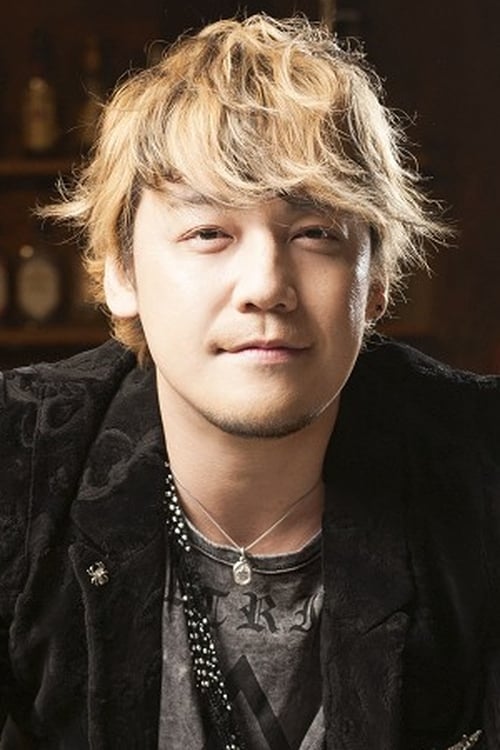
Anri Katsu
Daidara (voice)

Ayaka Ohashi
Kurome (voice)
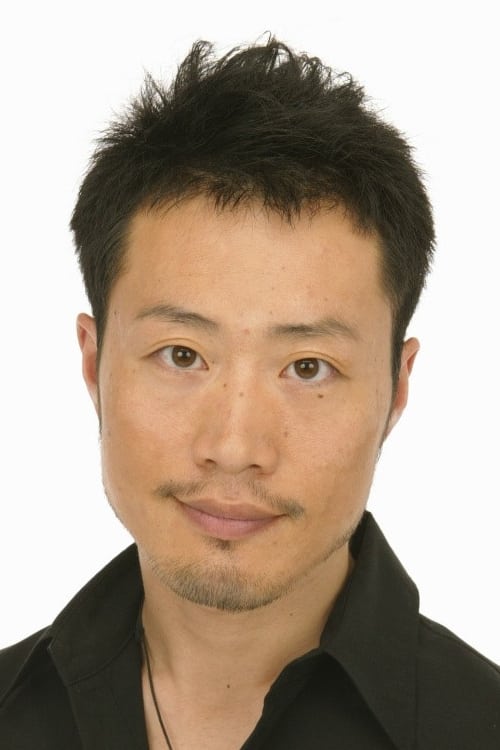
Eiji Takemoto
Bols (voice)

Eriko Matsui
Suzuki (voice)

Hitomi Nabatame
Nyau (voice)
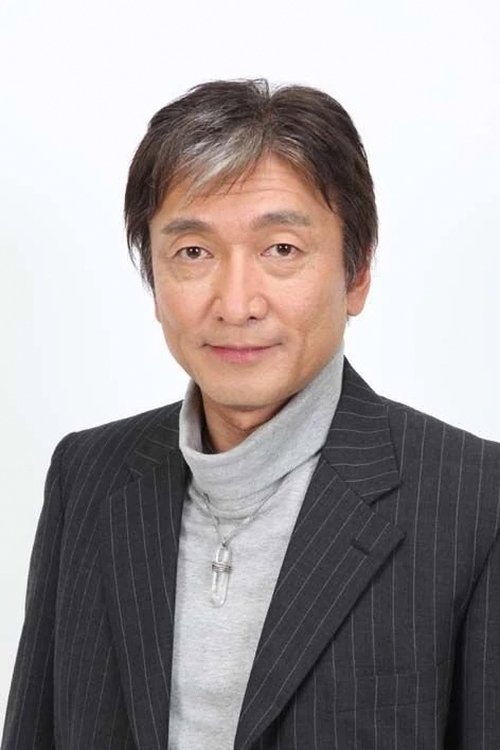
Hozumi Goda
Budo (voice)
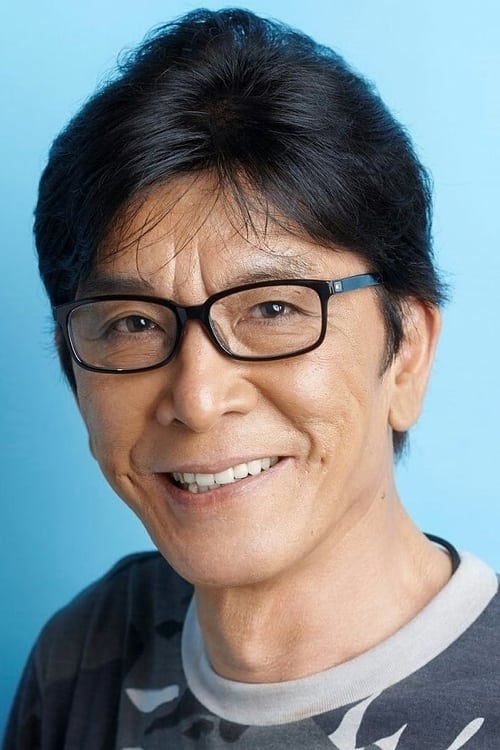
Jouji Nakata
Liver (voice)
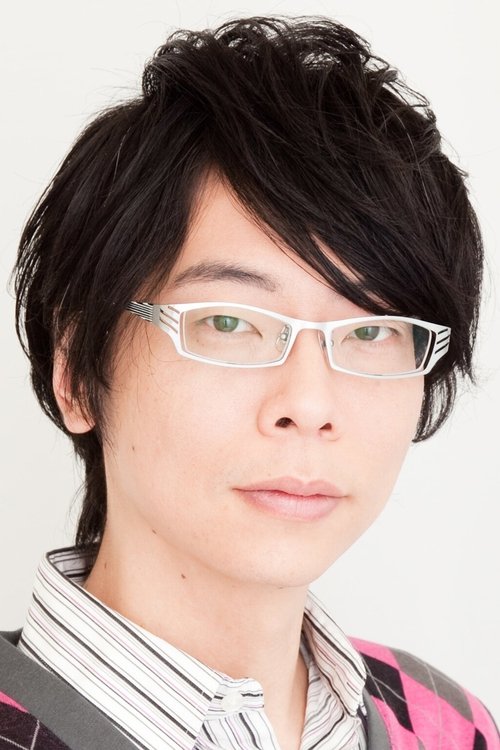
Junji Majima
Run (voice)

Kana Hanazawa
Seryu Ubiquitous (voice)

Kanami Satou
Aria (voice)

Kaori Nazuka
Chelsea (voice)
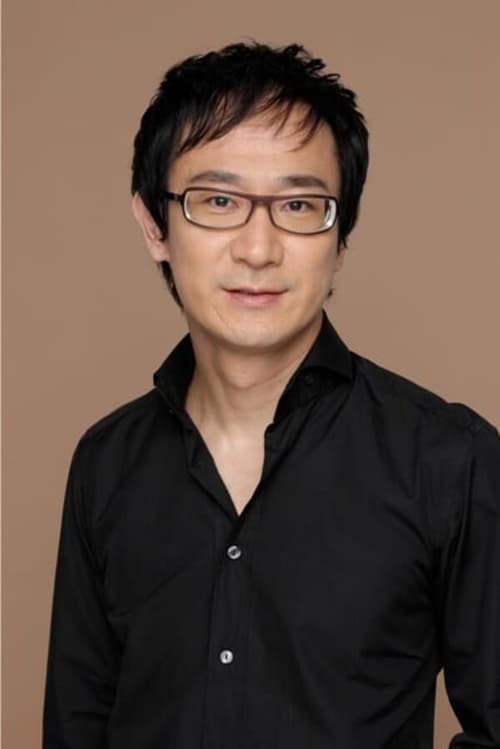
Ken Narita
Dr. Stylish (voice)
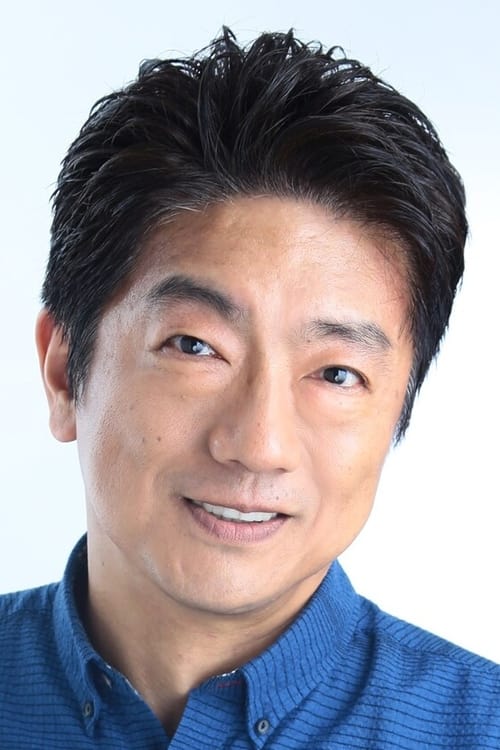
Koji Ishii
Honest (voice)

Mamiko Noto
Shelle (voice)
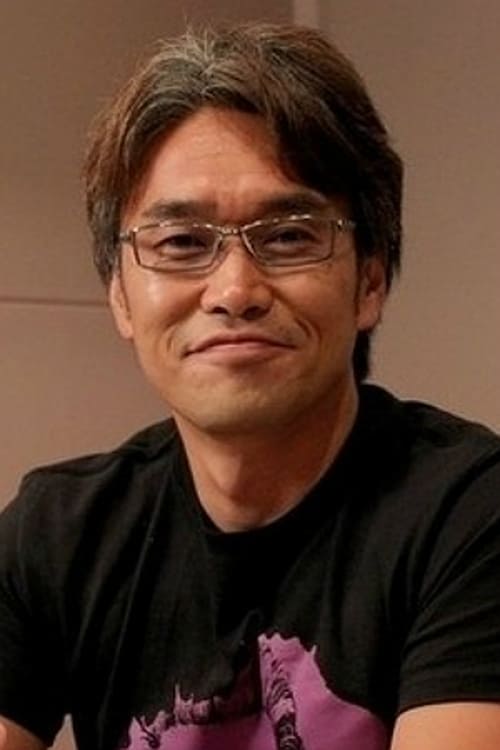
Masami Iwasaki
Borick (voice)

Risa Mizuno
Najenda (voice)
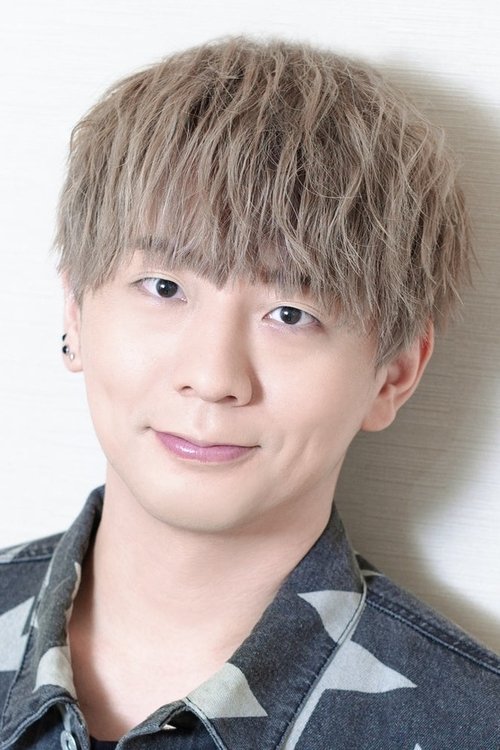
Ryohei Kimura
Syura (voice)

Satomi Akesaka
Esdeath (voice)
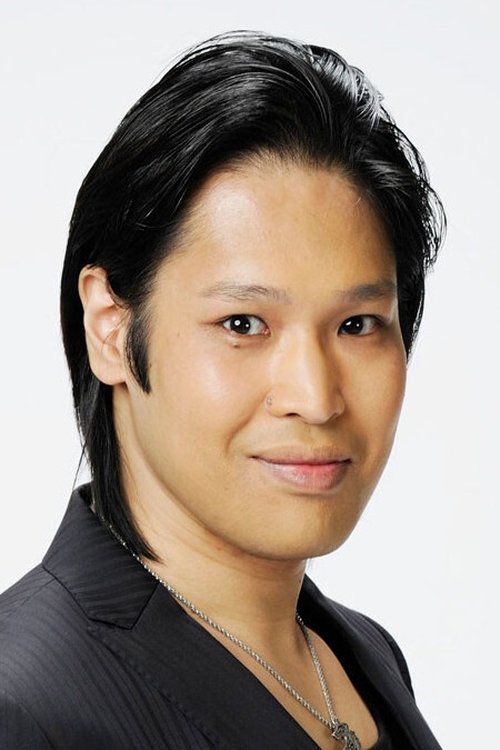
Satoshi Tsuruoka
Zank (voice)
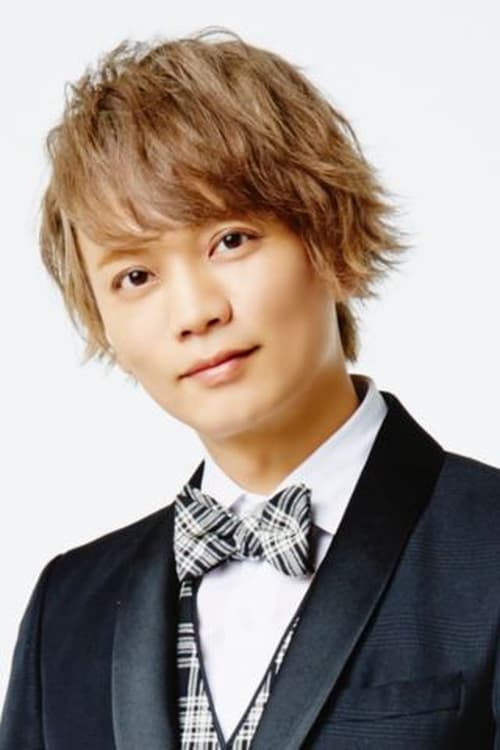
Shintaro Asanuma
Susanoo (voice)

You Taichi
Emperor (voice)
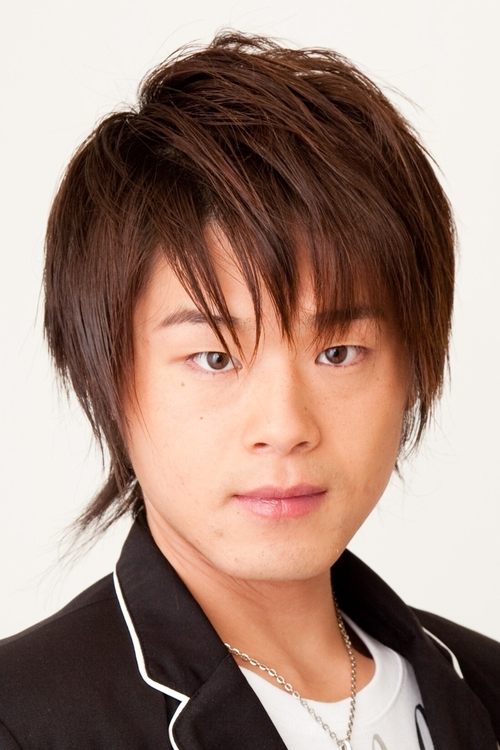
Yoshitsugu Matsuoka
Rabac (voice)
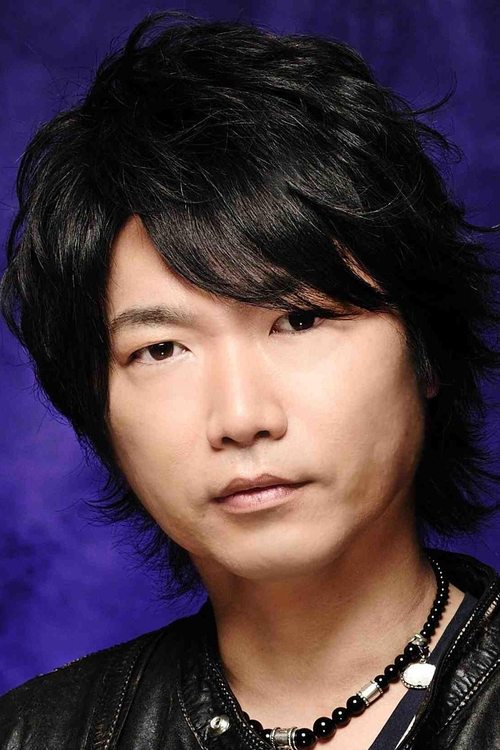
Katsuyuki Konishi
Braht (voice)